

No products in the cart.
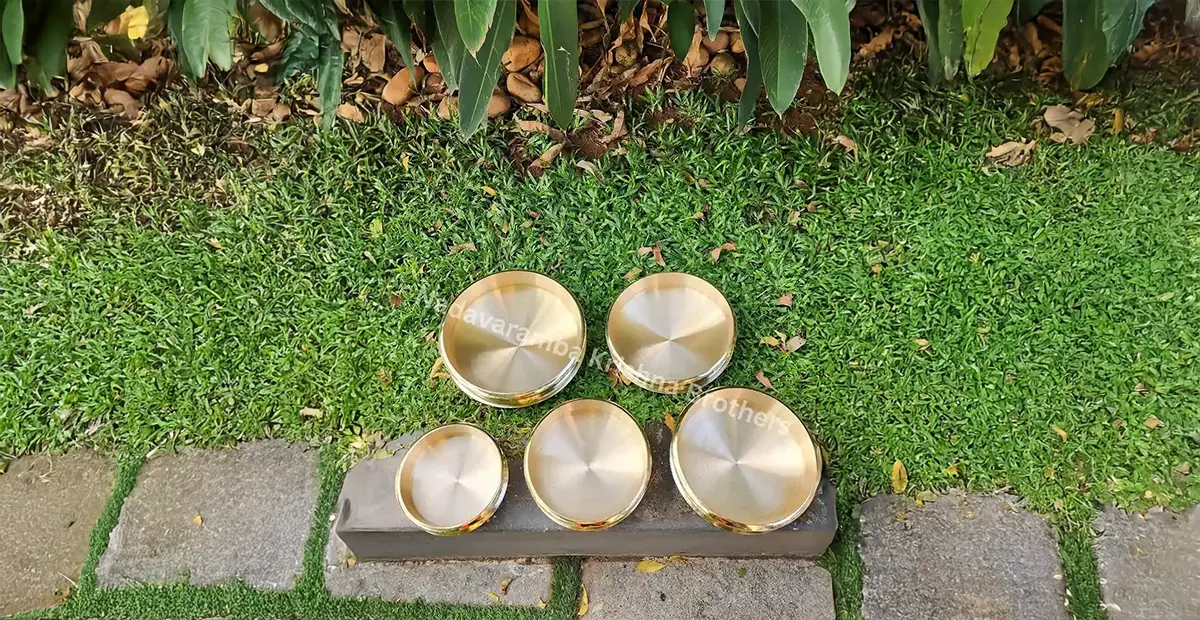
Walk into almost any traditional Kerala home and you’ll spot it immediately, a gleaming lamp in the corner, a wide bellied vessel in the kitchen, a small pouring pot beside the pooja shelf. That warm, golden presence is decorative & cooking brass, and it’s been part of South Indian homes for generations, not as an occasional showpiece but as everyday functional art passed down through families.
But not all brass is created equal, and picking pieces that are genuinely well made takes a bit of knowledge, especially with so many mass produced imitations flooding the market today. This guide walks through what makes brass worth investing in, the pieces every home tends to collect, and how to care for them so they last well beyond a single generation.
Why Brass Still Holds a Special Place in Kerala Homes ?
Brass isn’t just nostalgic, it’s genuinely practical and beautiful in ways few modern materials replicate. A few reasons it’s stayed relevant for centuries :
- It ages into a warm, rich patina rather than looking worn or dated
- It’s durable enough to be passed down as a family heirloom
- It carries deep cultural and spiritual significance in South Indian households
- It works equally well as a functional kitchen item and a decorative accent
- Handcrafted pieces support traditional artisans and skilled local craftsmanship
What Makes Good Decorative & Cooking Brass ?
Quality brass is easy to spot once you know what to look for. A well made piece usually shows these signs :
- A solid, substantial weight rather than a thin, lightweight feel
- Smooth, even surfaces without rough edges or visible casting flaws
- Consistent colour and finish across the entire piece
- Clean, well defined detailing on engraved or embossed designs
- A pleasant, resonant sound when gently tapped, a sign of solid casting
Popular Types of Decorative & Cooking Brass :
Brass collections in Kerala homes tend to fall into a few well loved categories. Common pieces include :
- Uruli or Urli, wide, shallow vessels used for cooking, serving, or floral décor
- Kindi, a traditional spouted vessel used for pouring water during rituals
- Vilakku, the classic Kerala oil lamp found in nearly every traditional home
- Idols of deities, crafted with intricate detail for home altars
- Bells and decorative bells, used both ceremonially and as accent pieces
- Utensils such as bowls, plates, and serving vessels for everyday or festive use
The Traditional Appeal of Cooking in Brass :
Long before stainless steel became standard, brass vessels were a kitchen staple across South India. A few reasons families continued using them :
- Brass distributes heat evenly, which many traditional cooks still value
- Certain dishes and pickles were traditionally believed to develop richer flavour in brass
- The material has long been associated with cleanliness in Ayurvedic tradition
- Cooking vessels doubled as serving pieces during festivals and family gatherings
- Well maintained brass cookware can genuinely last for decades of regular use
Many households today use brass more for special occasions than daily cooking, but the appeal of a well seasoned uruli or kindi hasn’t faded, especially during festivals like Vishu and Onam.
How to Tell Quality Brass From Cheap Imitations ?
With demand rising, the market has also filled up with lower quality alternatives. Watch for these warning signs :
- A dull, painted looking finish instead of natural brass shine
- Unusually light weight for the size of the piece
- Visible seams or rough joins where the metal was assembled
- A metallic smell that seems artificial rather than earthy
- Prices that seem too good to be true for the size and detail shown
Caring for Your Decorative & Cooking Brass Collection :
With a bit of regular care, brass pieces can genuinely last for generations. A simple maintenance routine includes :
- Cleaning with a mix of lemon and salt or tamarind for natural shine
- Avoiding harsh chemical cleaners that can dull the surface over time
- Drying pieces thoroughly after washing to prevent water spotting
- Storing decorative items away from excess humidity when not in use
- Polishing occasionally rather than constantly, to preserve natural patina
Decorative & Cooking Brass as Gifts and Heirlooms :
Brass pieces make especially meaningful gifts because they carry both beauty and longevity. Popular gifting occasions include :
- Housewarmings, where a vilakku or uruli symbolises warmth and prosperity
- Weddings, often gifted as part of traditional Kerala ceremonies
- Festivals like Vishu and Onam, when new brass pieces are traditionally bought
- Milestone celebrations, where an idol or lamp becomes a lasting keepsake
- Gifts for family abroad who want a piece of home in their new city
Why Nadavaramba Is Trusted for Decorative & Cooking Brass :
Nadavaramba has built a reputation across Kerala for genuine, well crafted brass pieces, from traditional cooking vessels to detailed devotional idols. Every piece is chosen with an eye for authentic craftsmanship rather than mass produced shortcuts. A few things customers consistently mention :
- A wide, carefully curated range spanning idols, lamps, and utensils
- Genuine solid brass construction, not thin plated imitations
- Careful packing and reliable shipping, even for large, heavy pieces
- Friendly, responsive support for custom or bulk orders
- A strong reputation built over years of serving customers across India and abroad
You can browse the full collection of pieces on nadavaramba.com and see detailed photos before placing an order.
Decorative & Cooking Brass Through Kerala’s Festival Calendar :
Brass has a strong seasonal presence in Kerala households, often tied closely to specific festivals and rituals. A few examples of how it shows up through the year :
- Vishu, when a fresh vilakku often gets lit as part of Vishukkani arrangements
- Onam, when uruli and traditional serving vessels come out for the festive sadya
- Housewarming ceremonies, where a new lamp is often the very first item lit
- Wedding rituals, where kindi and other vessels play a role in specific customs
- Temple festivals, where bells and lamps are used in daily worship routines
This seasonal rhythm is part of why brass never quite goes out of style in Kerala. Every festival tends to bring its own reason to bring out, clean, or add to the collection.
Styling Brass in a Modern Home :
Brass doesn’t have to feel confined to a traditional pooja room. It fits well into contemporary interiors too, with a bit of thought :
- Use a large uruli as a centrepiece filled with flowers or floating candles
- Group a few vilakku of different sizes together on a console table
- Let a single statement idol anchor a minimalist shelf or alcove
- Mix brass with neutral tones like white, beige, or deep green for contrast
- Use smaller pieces like bells or kindi as accents rather than the main focus
A little brass goes a long way visually, so even one or two well placed pieces can bring warmth and character to an otherwise modern space.
Questions to Ask Before You Buy :
- Is the piece solid brass or plated over another metal
- What are the exact dimensions and weight of the item
- Is the piece food safe if you plan to use it for cooking
- What packaging and shipping method is used for fragile or heavy pieces
- Are custom sizes or designs available for special requests
Conclusion
A well chosen brass piece does more than decorate a room or serve a meal, it carries a bit of tradition into everyday life. Investing in genuine decorative & cooking brass means bringing home something that only gets more beautiful with age, unlike most modern materials that simply wear out.
Whether you’re building a pooja altar, upgrading your kitchen with traditional vessels, or looking for a meaningful gift, choosing well crafted, authentic pieces makes all the difference. A little research now saves years of disappointment with pieces that fade, dent, or lose their shine too quickly.